
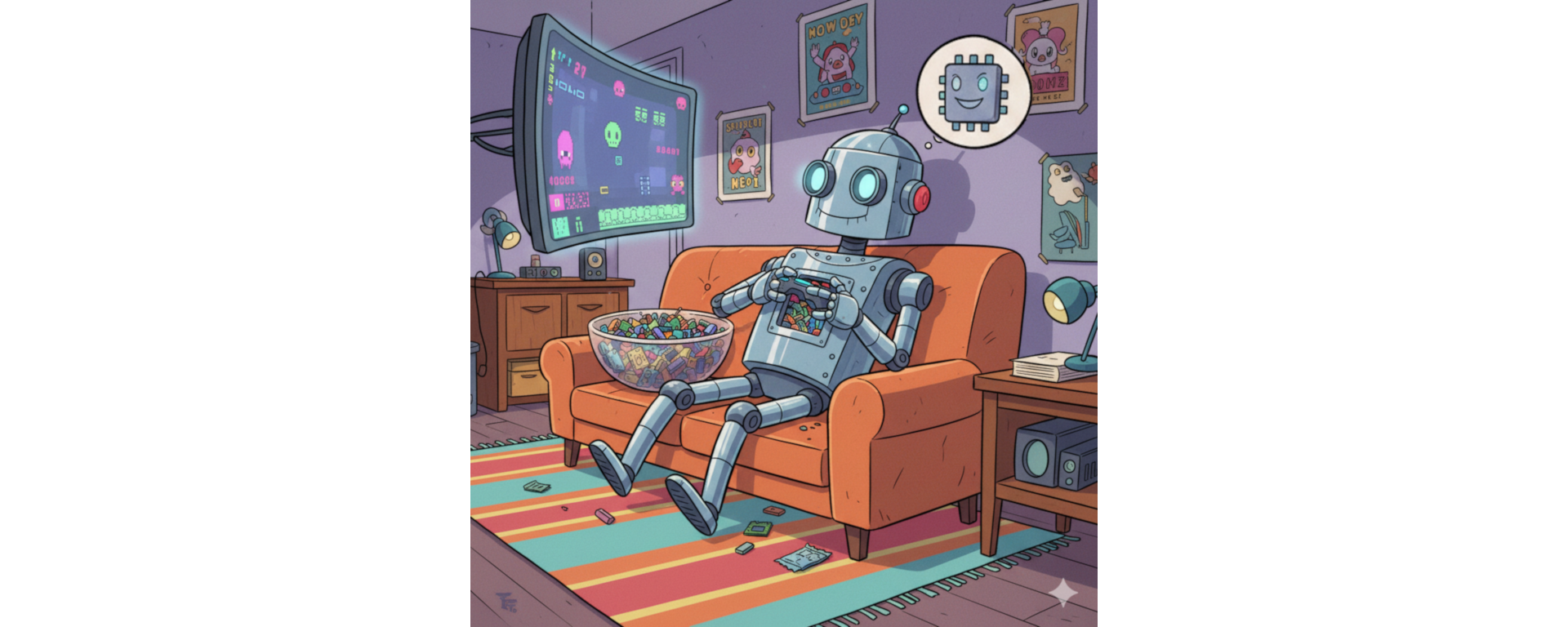
The Big AI Memory Crunch
By now, most of us would have heard about the big memory shortage caused by Artificial Intelligence and Data Centre build outs. Here is a good explanation of how GenAI and LLM uses memory (cache and DRAM) and solid-state storage (SSD).
This crunch is caused by a (bad) alignment of different factors together with AI and data centres. These include Windows PC upgrade cycles, continued growth in industry automation (IR 4.0), smart appliances and electric vehicles. All these compete in the use memory and storage.
Here’s how it is impacting us across different industries and consumer segments:
- Generic (non-AI) server market Server and CPU prices are expected to rise because GPU and HBM memory chips are consuming more wafers which general CPUs and supporting chipsets need
- IoT and generic smart appliances: “While many sensors and embedded devices rely on inexpensive DRAM or flash, they indirectly compete for production capacity with higher-value memory products.”
- Processor chip makers expect sales quantities expected to drop because users may likely defer expensive upgrades
- PC, laptops and handphones. Analysts expect manufacturers to have about 12 months of DRAM inventory. But new devices shown during CES 2026 are expected to have sharp price increases.
- With more expensive flagship phones and mid-end phones with lower specs, consumers may recontract less with telcos, this will potentially bring down operator revenues in 2026.
- Public and enterprise networks will be more expensive to rollout because network elements are mostly servers these days.
Here are some actions the tech industry is coping with the memory chip shortage:
- Reducing memory configurations for non-flagship handphone and laptop models from 32GB to 16GB and from16GB to 8GB
- Providing smaller storage (for example, from 1TB to 512GB)
- Sourcing from China memory suppliers
- Cutting back on other components like lower screen resolution, no touch screen, fewer OLED models, downgrade casing from metal to plastic, reduced battery capacity
- Eating fried chicken. Funny but true!
Here’s how we will be impacted and what we can do:
- If you’re a developer, write more efficient code that uses less memory or uses fewer transactions within the CPU, code that reduces memory swapping. Use data compression for storage.
- If you’re in procurement, buy more memory futures contracts or stock up but it may already be too late. Check if you can buy last year’s models at a discount.
- If you are in IT, defer upgrades of laptops and servers. Use old stock in your storeroom to replace broken laptops from staff.
- If there is an imminent reason for hardware upgrade, do it now. Some of last year’s models can still be obtained for a bargain though that stock is rapidly depleting.
- If you’re a consumer, maybe you can defer your upgrade to the next latest iPhone or Samsung, etc from last year’s model. Else, you will either pay a lot more, or have the last year’s configurations anyway.
The industry says this is the perfect storm. Not all is doom-and-gloom. Singapore Business Times expect the semiconductor industry to grow well in 2026!
If some of these terms and description are unfamiliar to you and you want to learn more, you can consider the following Dream Catcher:





Leave A Comment